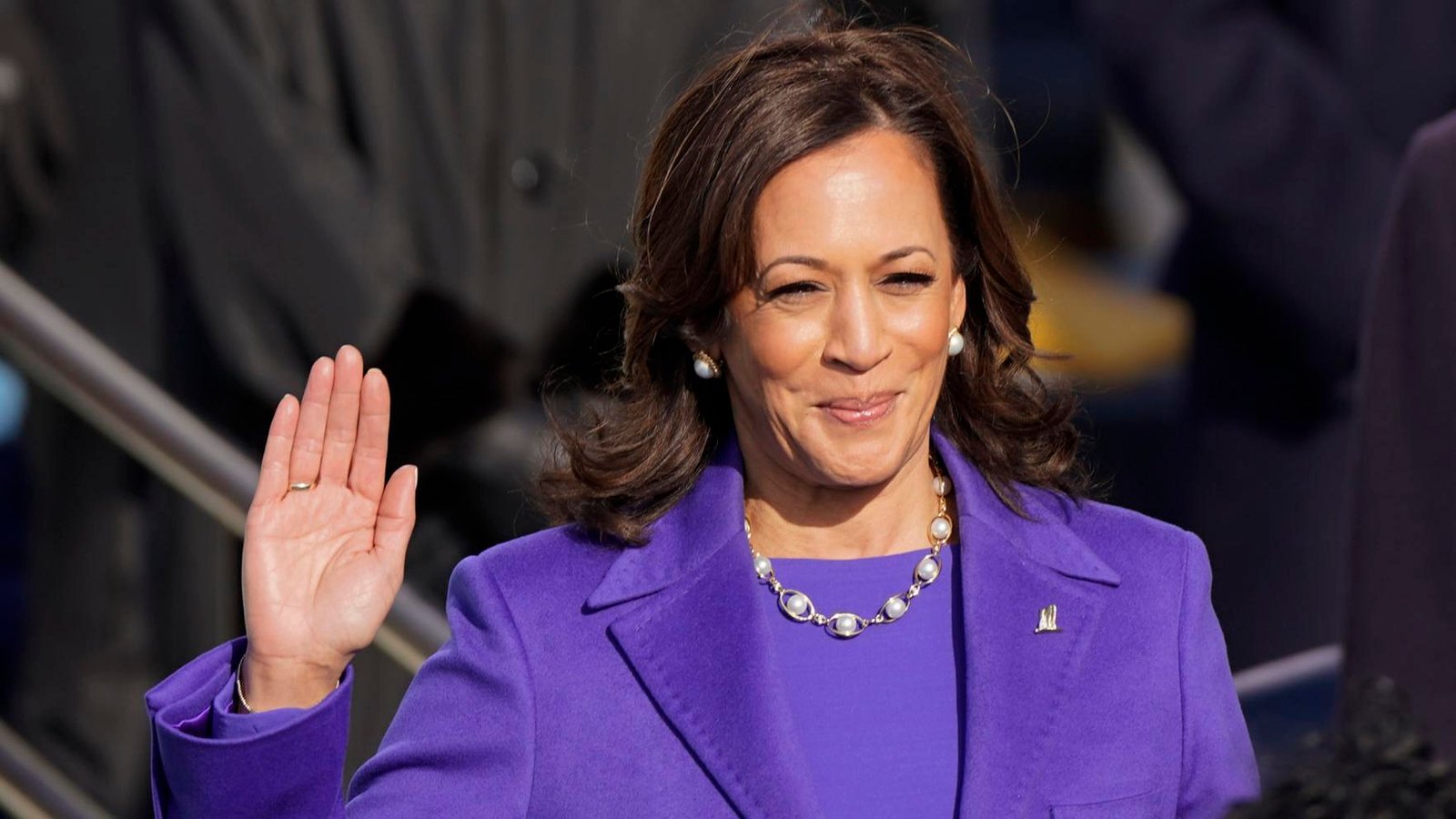
Kamala Harris
Have you ever thought about what it really takes to break barriers and make history? Well, if you haven’t, Kamala Harris’s story might just surprise you. Trust me, we’ve all been there—feeling like the odds are stacked against us, wondering if anyone like us can truly make a difference. Kamala Harris didn’t just wonder; she acted. From growing up in a multicultural household to navigating the complex corridors of law and politics, she has carved a path that’s both inspiring and historic. And here’s what’s interesting: her journey isn’t just about politics—it’s about resilience, breaking stereotypes, and showing us that persistence really does pay off.
Early Life and Family Background
Kamala Harris was born on October 20, 1964, in Oakland, California. Her story begins in a household that celebrated diversity. Her mother, Shyamala Gopalan, was an Indian immigrant and a renowned breast cancer researcher. Her father, Donald Harris, was a Jamaican-born economist who became a professor at Stanford University.
Growing up, Kamala learned the values of hard work, education, and social justice. And honestly, you can see how these early influences shaped her determination to fight for equality. She witnessed firsthand how culture, identity, and resilience intertwine—and that perspective became the foundation of her career.
Her upbringing wasn’t just academically stimulating; it was a lesson in empathy and advocacy. For example, Shyamala often took Kamala to civil rights rallies, instilling a sense of purpose and activism from a young age. It’s one thing to read about change in history books, but another to witness it firsthand—and that made all the difference in Kamala’s path.
Education and Formative Years
Kamala Harris attended prestigious schools, but her journey was never just about prestige—it was about purpose. She went to Howard University, a historically Black university in Washington, D.C., where she majored in political science and economics. Howard gave her more than a degree; it gave her a sense of identity and community.
After Howard, she attended UC Hastings College of the Law, where she earned her law degree. Law school was challenging, but Kamala’s commitment to justice never wavered. She didn’t just focus on personal success—she wanted to understand the system deeply, so she could work to change it from the inside.
What’s really interesting is that during these years, she was known for being both driven and approachable. People describe her as someone who listens, learns, and leads—not just someone who demands attention. And that balance would later define her political style.
Early Career in Law
After law school, Kamala Harris started her career in the District Attorney’s Office in Alameda County, California. She quickly built a reputation as a hardworking and fair-minded prosecutor.
Key Highlights:
- She worked on major cases involving gang violence and drug crimes.
- Advocated for initiatives to support victims of domestic abuse.
- Implemented programs aimed at rehabilitating offenders rather than just punishing them.
What stands out here is her pragmatic approach. Kamala wasn’t just chasing headlines; she was looking at long-term solutions that balanced justice with humanity. And honestly, you’ll see why this mindset made her a standout in the political arena later.
Rise in Politics
Kamala’s transition from law to politics was natural. She was elected as the District Attorney of San Francisco in 2003 and later became California’s Attorney General in 2011. These positions weren’t just titles—they were platforms where she implemented reforms that impacted millions of lives.
Notable Achievements:
- Strengthened consumer protection laws.
- Advocated for criminal justice reform.
- Introduced measures to combat human trafficking and sexual exploitation.
And here’s what’s remarkable: while many politicians focus solely on gaining votes, Kamala focused on creating lasting change. That combination of ambition and empathy is rare, and it’s one reason she gained national attention.
U.S. Senate: Making an Impact
In 2016, Kamala Harris was elected to the U.S. Senate, representing California. Her tenure in the Senate highlighted her as a leader who could ask tough questions while remaining solution-oriented.
Key Contributions:
- Served on the Senate Judiciary Committee, focusing on civil rights and justice issues.
- Advocated for healthcare reforms and women’s rights.
- Raised awareness about immigration and social justice issues.
And honestly, you know what’s interesting? Kamala’s approach in the Senate was collaborative yet fearless. She wasn’t afraid to challenge policies she disagreed with, but she also worked across the aisle when necessary. That balance made her a respected voice nationally.
Historic Vice Presidency
In 2020, Kamala Harris was elected as the Vice President of the United States, becoming the first female, first Black, and first South Asian Vice President in U.S. history.
This milestone wasn’t just symbolic—it was transformative. Millions of young girls and people of color saw someone who looked like them breaking the highest political barrier in the country.
Challenges and Responsibilities:
- Navigating a polarized political environment.
- Representing the U.S. on the global stage.
- Advocating for domestic issues like education, healthcare, and climate change.
And here’s the emotional truth: breaking barriers is never easy. Kamala faced criticism, skepticism, and immense pressure. But her resilience and ability to focus on goals rather than noise allowed her to succeed.
Leadership Style and Public Perception
Kamala Harris’s leadership style is often described as empathetic yet assertive. She combines charisma with careful strategy, which makes her both relatable and effective.
- Empathy: She listens actively, considers diverse perspectives, and emphasizes social justice.
- Assertiveness: She asks tough questions, challenges authority, and stands firm on principles.
- Adaptability: Navigates complex political landscapes with grace.
And honestly, trust me, her journey shows that effective leadership isn’t just about power—it’s about influence, empathy, and vision.
Controversies and Criticisms
Of course, Kamala Harris isn’t without controversy. Critics have raised concerns about some of her decisions as a prosecutor and political positions.
- Prosecutorial decisions: Some argue she was too harsh on certain offenders, while others praise her reform initiatives.
- Policy criticism: Some critics say her policies are either too progressive or not progressive enough, depending on perspective.
What’s important here is perspective. Every public figure faces criticism. The key takeaway is how Kamala navigates these challenges—with transparency, reflection, and determination.
Impact on Society and Legacy

Kamala Harris’s story is more than politics—it’s inspiration. She’s a role model for millions, showing that determination, resilience, and intelligence can break historic barriers.
Social Impact:
- Inspires young women and minorities to pursue leadership roles.
- Advocates for equity, justice, and representation.
- Highlights the importance of education and civic engagement.
And here’s what’s interesting: her legacy is still being written. But already, she has redefined what leadership looks like in America.
FAQs About Kamala Harris
Q1: What is Kamala Harris’s educational background?
She graduated from Howard University with a degree in political science and economics and earned her law degree from UC Hastings College of the Law.
Q2: What historic milestone did she achieve in 2020?
Kamala Harris became the first female, first Black, and first South Asian Vice President of the United States.
Q3: What is her leadership style?
Her style is empathetic, assertive, and adaptable, balancing toughness with compassion.
Q4: What challenges has she faced?
She has faced criticism over prosecutorial decisions, political positions, and navigating a polarized political environment.
Final Thoughts
To be honest, Kamala Harris’s journey is inspiring not because it was easy, but because it was courageous. She broke barriers, navigated challenges, and continues to redefine leadership in America. Her story teaches us that resilience, education, and empathy are key to lasting impact. Whether you’re passionate about politics or personal growth, Kamala Harris’s life shows us that breaking ceilings is possible—if you believe in yourself and never give up.
About the Author